
Rottnest Island history and living Country
Rottnest Island history is inseparable from Wadjemup, the island's Aboriginal name, and from Whadjuk Noongar people, its Traditional Owners today. Their cultural and spiritual connection extends across land and water and continues in the present. Begin with that relationship when reading about the island. A visit concerned only with old buildings or a sequence of dates would leave out the people for whom this remains Country. The island's familiar coastal scenery also holds histories of imprisonment, forced labour and separation from families and communities.
The Rottnest Island Authority explains Wadjemup as a place beyond the water where the spirits are. Approach that meaning as part of a living cultural context, rather than as a decorative alternative name. Make room for Noongar perspectives alongside the written accounts of the prison. The island overview introduces the wider setting; this page stays with culture, remembrance and the choices that help visitors encounter them thoughtfully.
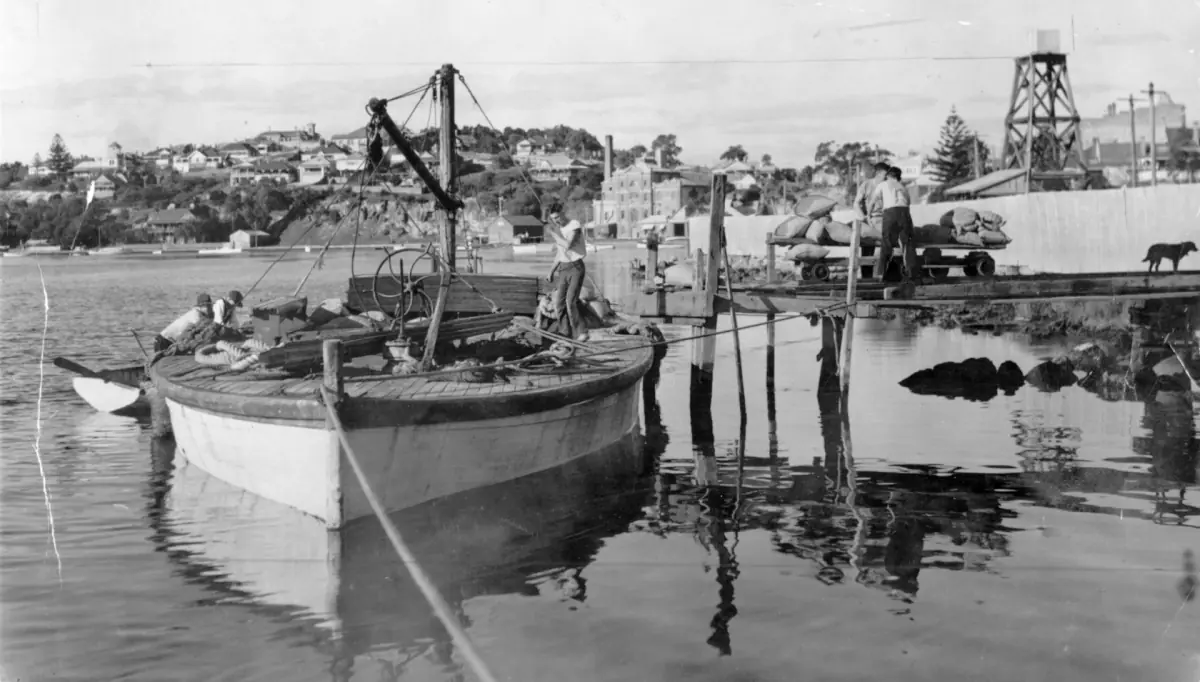
Imprisonment and forced labour
According to the Rottnest Island Authority's account of state records, around 3,700 Aboriginal men and boys were imprisoned on the island between 1838 and 1931. Children were among those held. Forced labour and removal from Country belong at the centre of this history, together with the separation of people from their families. These were experiences with consequences for communities, rather than simply another phase in the use of a visitor destination. Read the dates with those human consequences in mind.
Allow time to pause rather than treating the prison story as a brief stop between activities. It is possible to plan the practical parts of a day in advance and leave attention available for the history itself. Keep travel arrangements on the getting here page, and avoid scheduling remembrance as a hurried gap before departure. A slower visit gives space to consider both individual suffering and the wider effect of taking people away from their families and Country.
The burial ground and the Quod
Wadjemup contains the burial ground of Aboriginal men and boys who died in custody, including unmarked graves. Treat it as a place of remembrance. Photography and conversation should reflect the purpose of the place, with attention to local signs and the people around you. Avoid making the burial ground a backdrop for recreational photographs. A meaningful visit does not depend on counting graves; understanding why people were held here and remembering those who died is a more appropriate starting point.
Tentland closed in 2007 to protect the graves. The Quod, the former prison building, ceased to be tourist accommodation in 2018. These changes matter when reading older descriptions of the island: a historic use is different from a present visitor facility. Arrange any overnight stay through the current accommodation areas, and approach the Quod for its place in the prison history. Leave interior access out of a fixed itinerary and follow the information available at the site.
Culture, interpretation and a considered visit
The sculpture Koora-Yeye-Boordawan-Kalyakoorl at the main jetty, Noongar-led interpretation and the Wadjemup Museum offer ways into the island's cultural story. Give present-day culture its own attention, rather than reducing Aboriginal life to incarceration. Listening to cultural interpretation can change how a visitor reads the landscape, the water crossing and the relationship between historical buildings and Country. Keep the distinction between learning about a place and assuming access to every part of it.
Free volunteer walks cover subjects including history, wildlife and sustainability. They normally begin at the Salt Store beside the information stand, with times dependent on weather and staff availability; reservations are not required. Read the programme for the day instead of treating a general history walk as a promised prison or burial-ground route. If military heritage also interests you, the separate Oliver Hill guide covers the fort and tunnels. That Second World War visit concerns a different history and should be planned with its own context.
Questions about Wadjemup's history
Who are the Traditional Owners of Wadjemup?
Whadjuk Noongar people are the Traditional Owners, with a continuing cultural and spiritual connection to the island's land and waters.
When were Aboriginal men and boys imprisoned here?
The Rottnest Island Authority describes imprisonment and forced labour between 1838 and 1931, involving around 3,700 Aboriginal men and boys according to state records.
Is the Quod an accommodation choice?
The former prison ceased to be tourist accommodation in 2018. Tentland had already closed in 2007 to protect the graves.
Does an Oliver Hill tour explain the prison and burial ground?
Oliver Hill tours focus on the military battery and tunnels. Approach the Aboriginal prison history and remembrance sites as a separate subject.