
Choosing a Rottnest Island quokka tour
A Rottnest Island quokka tour is a way to build an island visit around opportunities to watch wildlife. The two visit options here take different approaches: a return flight with time on the island, or a privately guided day with accommodation pickup, ferry travel and island transport. Both include an opportunity to see quokkas. Treat that opportunity as part of a wider visit to Wadjemup, with time for the coast and the journey itself, rather than a scheduled encounter with an animal.
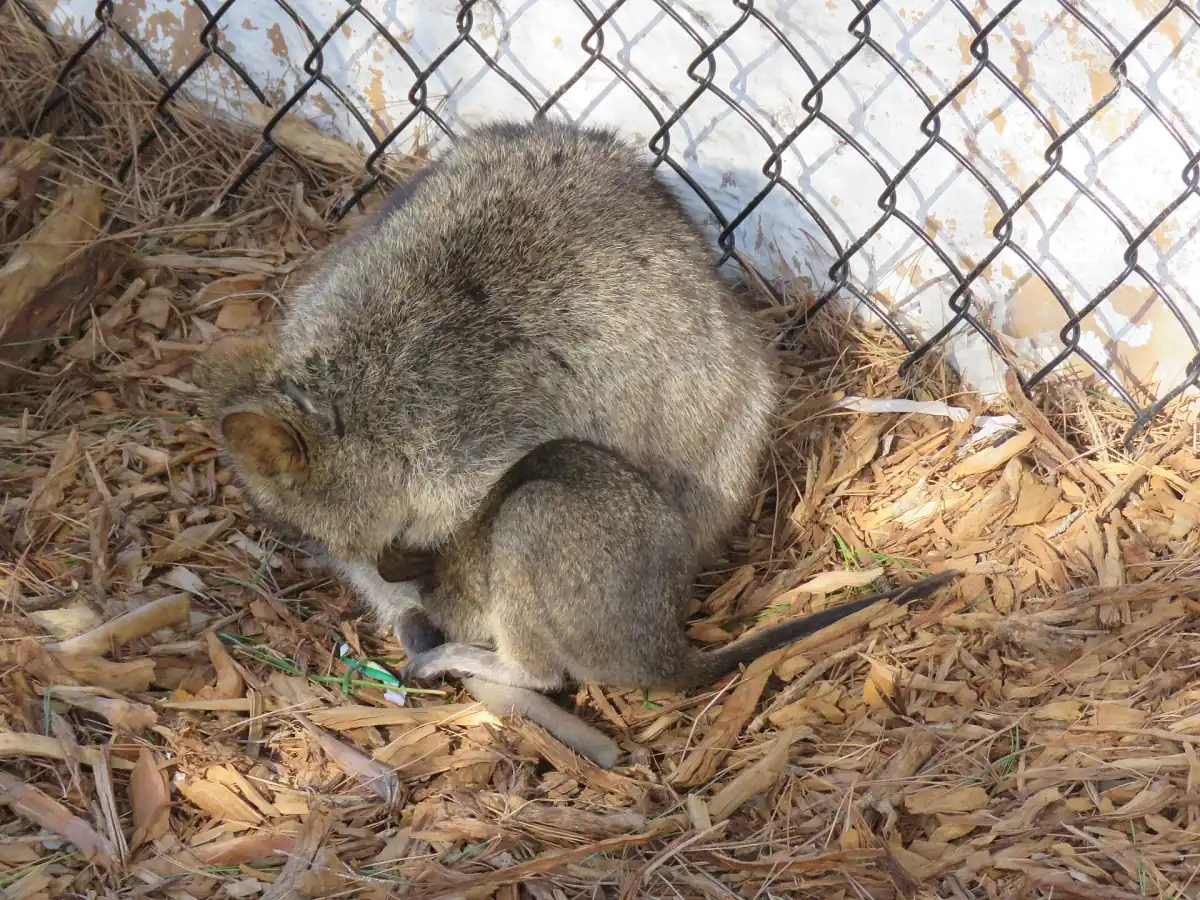
Quokkas are wild animals in a protected Class A Reserve. They are mainly nocturnal, and the early morning and late afternoon are useful periods to consider for observation. Their movements determine whether a photograph is possible. Choose an arrival and departure that leave breathing space, and avoid making a tightly timed wildlife stop the only purpose of the day. The island tour overview helps compare other ways of spending the remaining time.
Quokka opportunities
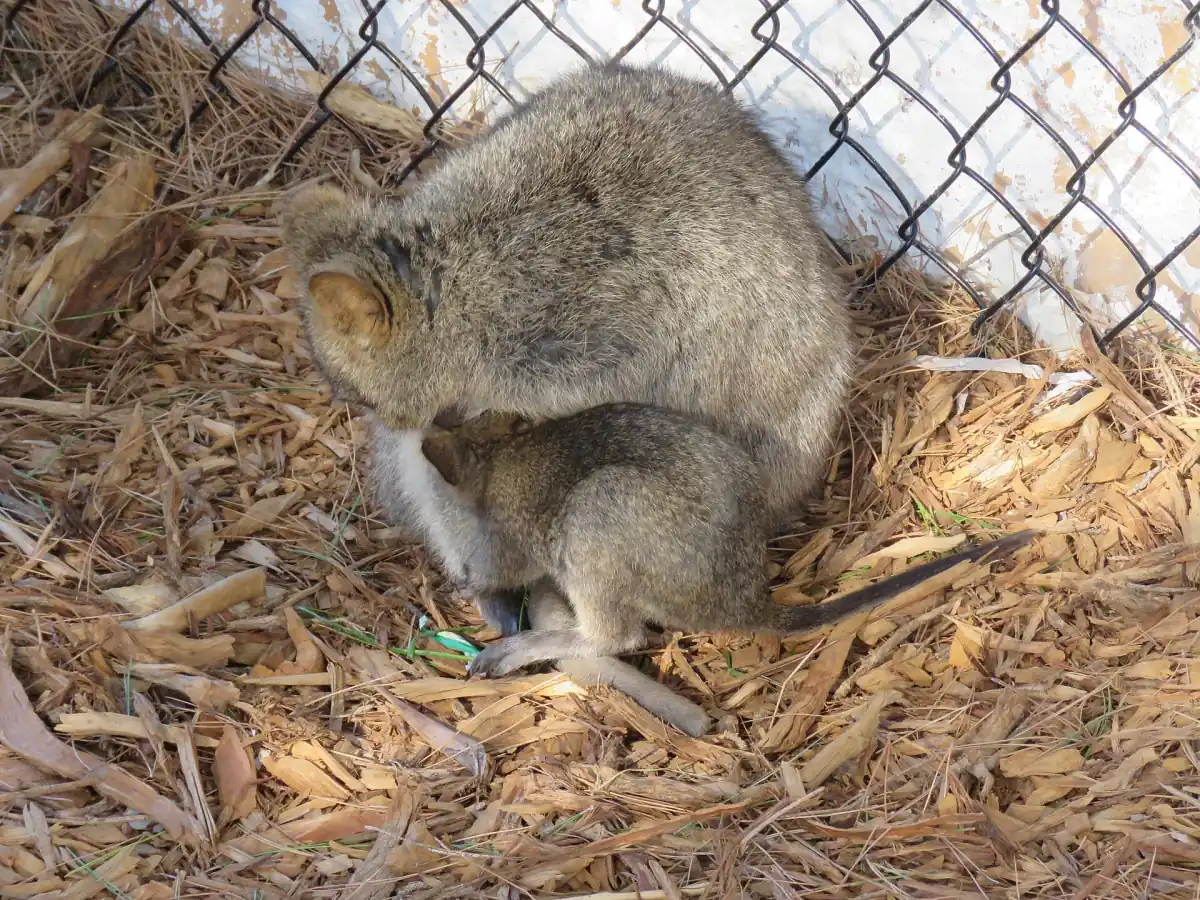
The private island day includes guided wildlife spotting, while the return flight offers another opportunity to see quokkas. Sightings cannot be guaranteed.
Hand-picked tours, booked through GetYourGuide. Prices are indicative starting prices in Australian dollars (as of October 2026). Tap a tour for live availability and the current price in your currency.
Private island day with wildlife opportunities
- Return ferry tickets
- Bike hire or bus tour
- Lunch and refreshments
Private pickup and an island guide are included. Quokkas and other wildlife may be seen but sightings are not guaranteed.
Check availability →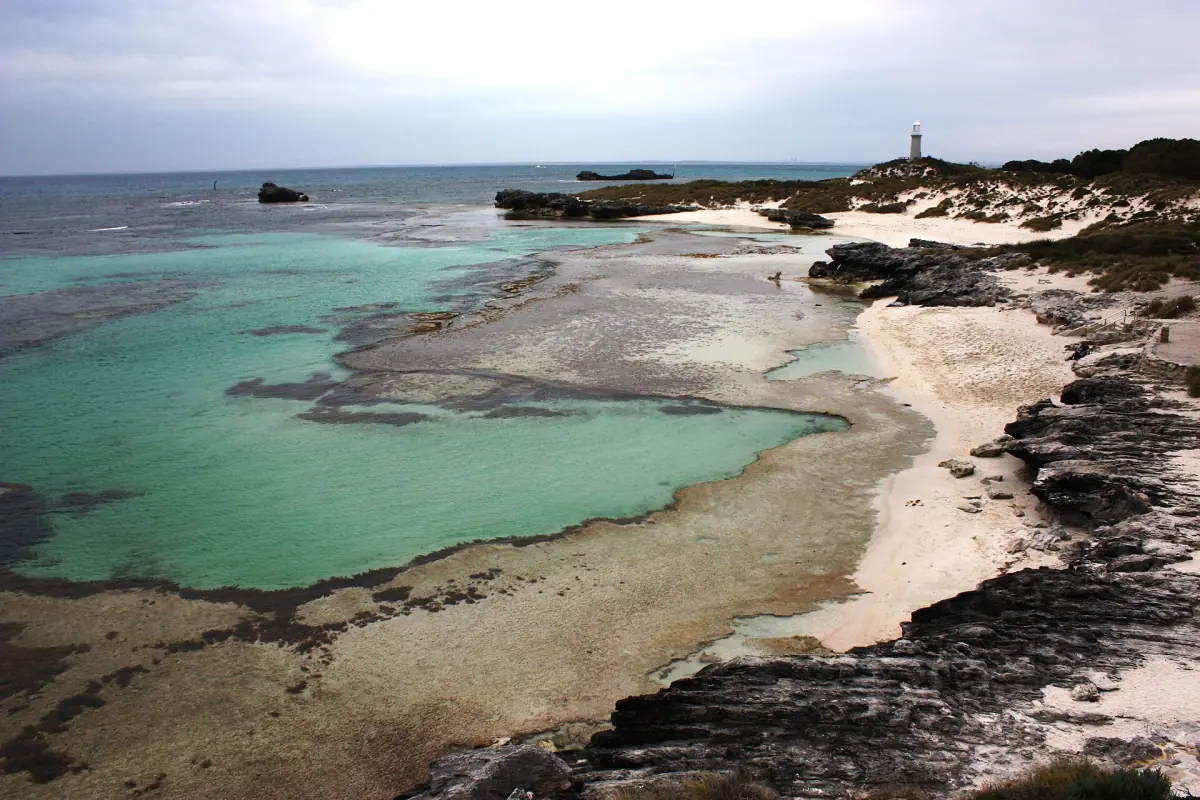
Return flight and quokka opportunity
- Return flights
- Safety debriefing
- Opportunity to see quokkas
The island visit offers a chance to see quokkas; sightings are not guaranteed.
Check availability →Island visits with quokka opportunities
Return flights with time ashore or a private guided day with ferry travel, lunch and island transport.
Flight visit or private guided day
The flight visit starts at Jandakot, at 4 Baron Way. Return flights and a safety briefing are included, along with the opportunity to see quokkas during the island visit. Lunch is extra. This suits visitors who want the flight to be part of the experience and prefer a visit with time ashore. Keep the journey to the departure point separate from the island portion when arranging the day; the departure point is on the mainland.
The private guided visit includes pickup and drop-off at accommodation in Perth or Fremantle, return ferry tickets, bicycle hire or the Island Explorer bus, lunch, bottled water and refreshments. Wildlife spotting and snorkelling opportunities form part of the island experience, with secluded beach visits where conditions allow. The displayed starting price is per person. It is a broader hosted day, useful for visitors who want the mainland connection and island arrangements brought together. More about the format appears on private island visits.
Observation times and space for wildlife
An early or late observation period works only if the rest of the itinerary supports it. Day visitors need a booked return journey, while overnight visitors can spread their plans across more of the day. Do not extend an animal stop until it puts the ferry connection under pressure. Use the ferry guide for the departure-port comparison and arrange time on the island around the actual service booked.
Watch from existing paths and keep food and rubbish secure. Quokkas also occur in a small mainland population in southwestern Western Australia; Rottnest is not their only home. Their vulnerable status is another reason to let encounters remain undisturbed. When cycling, look ahead for animals and allow room rather than trying to pass close for a photograph. A guided group follows the same wildlife rules as an independent visitor.
A quokka selfie with distance
Keep distance when framing a selfie. If a quokka comes closer than two metres, step back and restore the space. Never touch, feed or give water to an animal, and do not use a snack to draw it into the camera frame. The photograph can wait when an animal is moving toward people. A picture that leaves the quokka undisturbed is a more suitable aim than a close face-to-face pose.
Apply the same approach when travelling with children or friends: agree on the distance before anyone takes out a camera, and keep the group from surrounding an animal. Stay on paths rather than following a quokka into vegetation. Put food scraps into appropriate rubbish disposal and leave plants and animals where they belong. These are practical parts of visiting the reserve, alongside the usual decisions about transport, water and time.
Build a wider island day
Free volunteer walks cover wildlife, history and sustainability, usually leaving from the Salt Store beside the information booth. They do not require reservations, but times depend on weather and available volunteers. They can add context to an independent visit without creating a fixed promise of a particular animal encounter. Leave room to change the order of a walk and a coastal stop.
Bring drinking water for the time away from the settlement, where supplies are more limited. A beach stop can provide a different focus when animals are resting or out of view; compare facilities and access on the beaches page. Keep wildlife watching as one rewarding part of the day, with a route that still makes sense when there is no close photograph.
Questions about the visit
Are quokka sightings guaranteed?
Sightings depend on wild animals. Both visits offer quokka opportunities as part of a wider island experience.
How close can a selfie be?
Keep your distance and step back if a quokka comes closer than two metres. Do not touch, feed or give water to it.
When is a useful time to watch?
Early morning and late afternoon are useful observation periods. Fit them around your booked transport and let animals move freely.